
Many parents don’t realize that orthodontic treatment can do more than straighten teeth – airway orthodontics for kids focuses on how the jaws, tongue, and breathing passages develop as a child grows. It’s a modern approach that helps children breathe through their nose, sleep soundly, and develop balanced facial growth by improving airway function early.
If your child snores, breathes through their mouth, or struggles with restless sleep, these could be signs of airway-related issues affecting healthy development. At Lippitz Orthodontics, we specialize in airway-focused orthodontics – a form of care that guides jaw growth, supports proper breathing, and promotes confident, lasting smiles. Families across Chicago & the North Suburbs trust our team to help children breathe easier, sleep better, and grow stronger.
In this article, you’ll learn what airway orthodontics is, how it helps with sleep-disordered breathing, and why early diagnosis can prevent long-term health issues – giving your child the foundation for lifelong health and confidence.
Understanding Airway Orthodontics
Airway orthodontics is a specialized branch of orthodontic care focused on how the size, shape, and position of the jaws and teeth influence a child’s ability to breathe through the nose. Unlike traditional orthodontics, which primarily targets straightening teeth, airway-focused orthodontics addresses structural issues that may cause sleep disordered breathing or obstructive sleep apnea (OSA) in children.
When the upper jaw or lower jaw is narrow or positioned improperly, it can restrict the upper airway, limiting nasal airflow and causing mouth breathing. Over time, this pattern can alter facial growth, disturb sleep, and impact a child’s overall health and development. Airway orthodontics expands the upper jaw, aligns the lower jaw, and trains the tongue to rest in a healthy position. These changes improve nasal airflow and reduce mouth breathing, allowing children to sleep more deeply and wake more refreshed — without chronic fatigue or restless nights.
Why Breathing Matters More Than You Think
Healthy nasal breathing supports proper oxygen flow, jaw development, and even emotional regulation. When a child breathes through the mouth instead of the nose, it changes how their tongue rests, how the jaws grow, and how the face develops.
Mouth breathing can lead to:
- Narrow palates and dental arches
- Elongated facial structure
- Class II malocclusion (retruded lower jaw)
- Poor tongue posture and swallowing patterns
- Higher risk of sleep apnea and snoring
Left untreated, these airway problems can contribute to sleep disorder symptoms like restless sleep, daytime fatigue, attention issues, and behavioral struggles — often misdiagnosed as ADHD.
The Link Between Orthodontics and Breathing
The connection between orthodontics and breathing lies in how the jaws form the boundaries of the airway. When the upper jaw (maxilla) is too narrow, it can compress the nasal cavity, restricting airflow. The lower jaw’s position also plays a major role in how open or restricted the airway becomes during sleep.
Through craniofacial growth modification, orthodontists can gently guide jaw development and expand the airway. This approach not only improves breathing but also contributes to better facial structure, posture, and oral health.
What Is Sleep Disordered Breathing?
Sleep disordered breathing (SDB) is an umbrella term for breathing difficulties that occur during sleep — ranging from simple primary snoring to pediatric obstructive sleep apnea.
In pediatric patients, the most common causes include:
- Enlarged tonsils or enlarged adenoids
- Narrow palate or maxillary transverse deficiency
- Improper tongue posture
- Poor jaw development or retruded chin
- Chronic mouth breathing
When the airway collapses or becomes obstructed, it leads to obstructive sleep apnea, characterized by pauses in breathing, disrupted oxygen levels, and frequent nighttime awakenings.
Can Airway Orthodontics Help with Pediatric Sleep Apnea?
Yes. By improving jaw alignment and airway space, airway orthodontics can help reduce pediatric sleep apnea symptoms. It supports nasal breathing, encourages proper tongue posture, and improves oxygen flow — often lowering the need for invasive sleep treatments later in life.
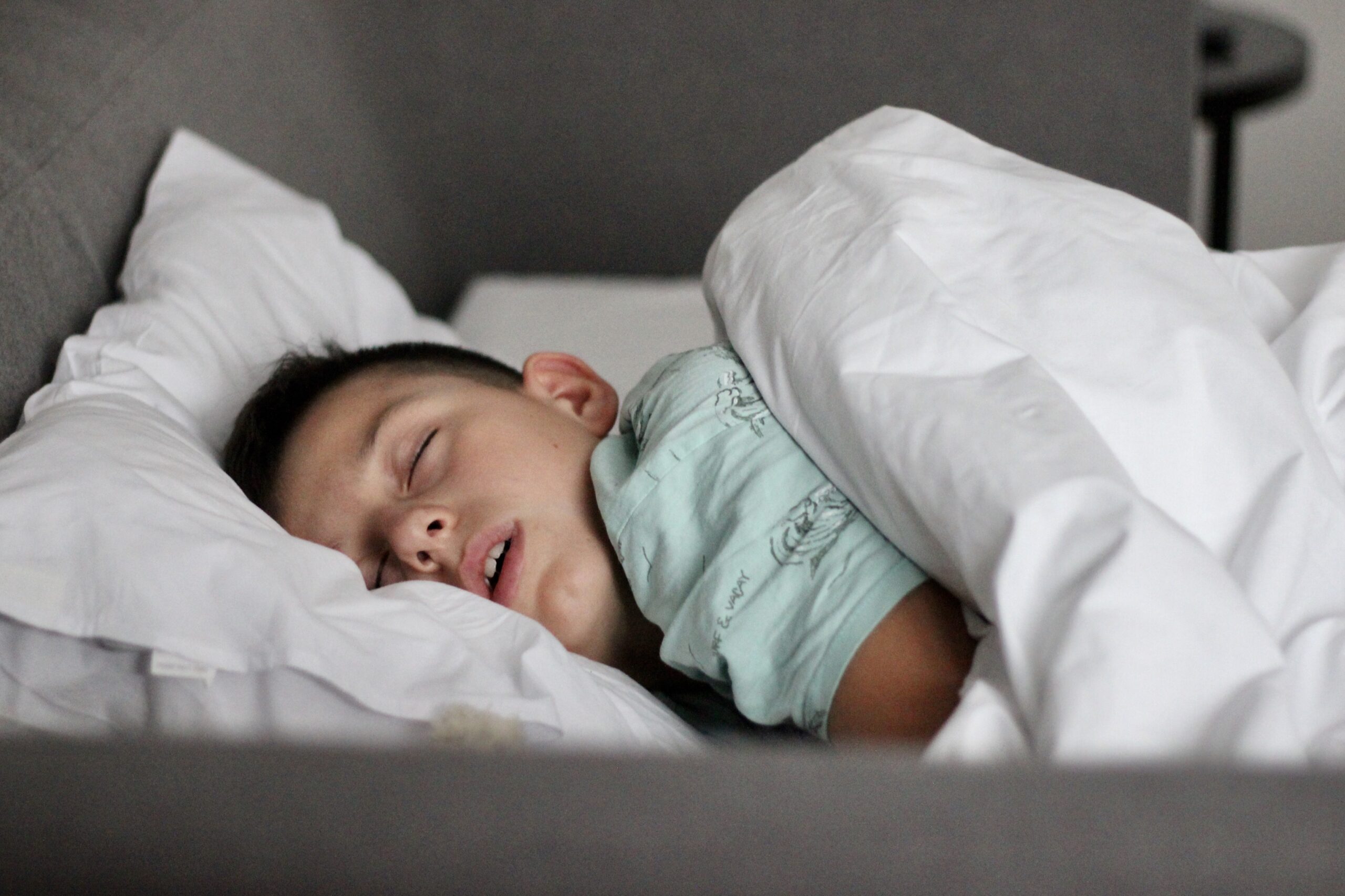
Pediatric obstructive sleep apnea (OSA) affects up to 5% of children and often goes undiagnosed. Many parents notice symptoms such as:
- Snoring or noisy breathing during sleep
- Restless sleep or frequent movement
- Mouth breathing, even while awake
- Bedwetting or night sweats
- Daytime irritability or trouble focusing
Treating obstructive sleep apnea in children begins with understanding its root cause — often a structural one. That’s where airway orthodontics for kids comes in.
By promoting proper growth of the jaws and ensuring enough space for the tongue and nasal passages, airway orthodontic treatment can reduce airway obstruction and improve sleep quality naturally, without dependence on CPAP machines or surgical interventions.
How Orthodontic Treatment Improves Airway Function
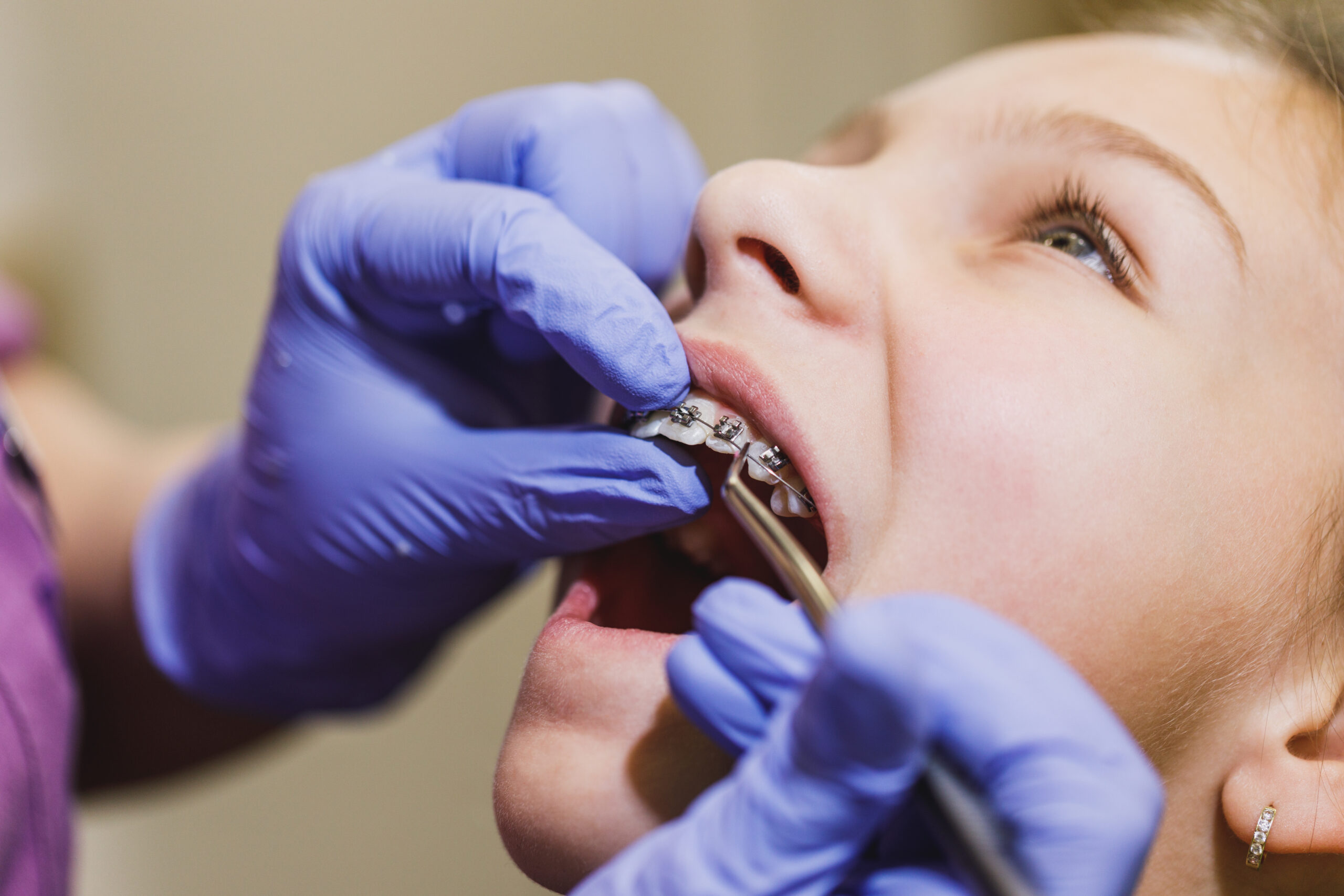
Orthodontic treatment for airway-focused care uses gentle, growth-guiding techniques to correct narrow arches and restricted airways. These may include:
Rapid Maxillary Expansion (RME)
This treatment widens the upper jaw, increasing space in the nasal passages and allowing for improved nasal airflow. RME has shown a positive effect on reducing respiratory disturbance index (RDI) scores and improving sleep quality in pediatric OSA cases.
Mandibular Advancement Appliances
For children with retruded lower jaws, a twin block appliance or other mandibular advancement device can move the jaw forward to open the airway and reduce nighttime breathing interruptions.
Myofunctional Therapy
Paired with orthodontics, myofunctional therapy retrains the tongue and facial muscles to support healthy nasal breathing and correct swallowing patterns.
Craniofacial Growth Modification
This technique guides the development of bones and soft tissues during growth, preventing airway obstruction and promoting a lifetime of healthy breathing.
Early Detection: The Key to Lifelong Health
Early detection of airway concerns is crucial. The earlier a child receives an orthodontic evaluation, the more effectively their growth can be guided for optimal airway development.
An early orthodontic intervention can:
- Correct mouth breathing habits
- Encourage nasal breathing and proper tongue posture
- Prevent future sleep disorder problems
- Support balanced facial growth and jaw development
At Lippitz Orthodontics, we use diagnostic tools such as pediatric sleep questionnaires, 3D imaging, and airway analyses to identify structural restrictions early — allowing us to create a proactive treatment plan that supports both form and function.
The Science Behind Airway Orthodontics
Multiple systematic reviews and meta-analyses confirm that airway-focused orthodontics has measurable benefits on sleep disordered breathing and obstructive sleep apnea OSA symptoms in pediatric and adult patients.
Research also links rapid maxillary expansion and mandibular advancement to improved oxygen saturation, lower apnea hypopnea index (AHI), and better overall sleep quality.
Even the American Association of Orthodontists recognizes that airway concerns play a vital role in treatment planning for both pediatric and adult patients.
How Airway Issues Affect Facial Growth
Children with chronic mouth breathing often show differences in craniofacial morphology, including longer facial structures, narrow dental arches, and retruded chins. These patterns occur because the mouth remains open, altering muscle balance and guiding bones to grow downward instead of forward.
By restoring nasal breathing and correcting airway obstruction, orthodontic treatment promotes proper growth of the jaws and face, resulting in improved facial structure and long-term aesthetic harmony.
The Role of Parents in Early Airway Awareness
Parents play a key role in identifying early warning signs of airway problems. If your child:
- Snores regularly
- Breathes mostly through the mouth
- Wakes up tired or irritable
- Has crowded teeth or a narrow smile
- Struggles with focus or hyperactivity
…it may be time to consider an airway evaluation. Early action can prevent future orthodontic treatment complications and promote better sleep, learning, and overall health.
Long-Term Health Benefits of Airway Orthodontics
Beyond improving sleep, airway-focused orthodontics offers profound long-term health benefits:
- Enhanced oxygen levels for brain and body development
- Better immune function and metabolic balance
- Lower risk of temporomandibular disorders
- Improved speech and swallowing
- Reduced likelihood of future orthodontic treatment needs
When a child breathes and sleeps properly, every system thrives.
Creating Healthy Growth and Restful Sleep at Lippitz Orthodontics
Our team takes pride in providing evidence-based, airway-focused orthodontics that supports your child’s total well-being. Every treatment plan is custom-designed to address not only teeth alignment but also airway function, facial growth, and overall health.
We can collaborate with pediatricians, ENT specialists, and sleep experts when needed to ensure a comprehensive, multidisciplinary approach to care. With long-term follow-up, we track improvements in sleep, facial development, and breathing to confirm lasting success.
Changing Smiles — and Sleep — for a Lifetime
Airway orthodontics for kids is redefining what orthodontic care means. It’s no longer just about straightening teeth – it’s about helping children breathe freely, sleep deeply, and grow into their healthiest, happiest selves.