When parents think of braces, they often picture straighter teeth and beautiful smiles. But orthodontic treatment can do much more than align teeth – it can actually shape your child’s facial structure as they grow. By guiding jaw development, improving facial symmetry, and creating proper alignment, orthodontics helps kids achieve not just a confident smile, but a more balanced and healthy facial appearance overall.
How Braces Affect Facial Structure
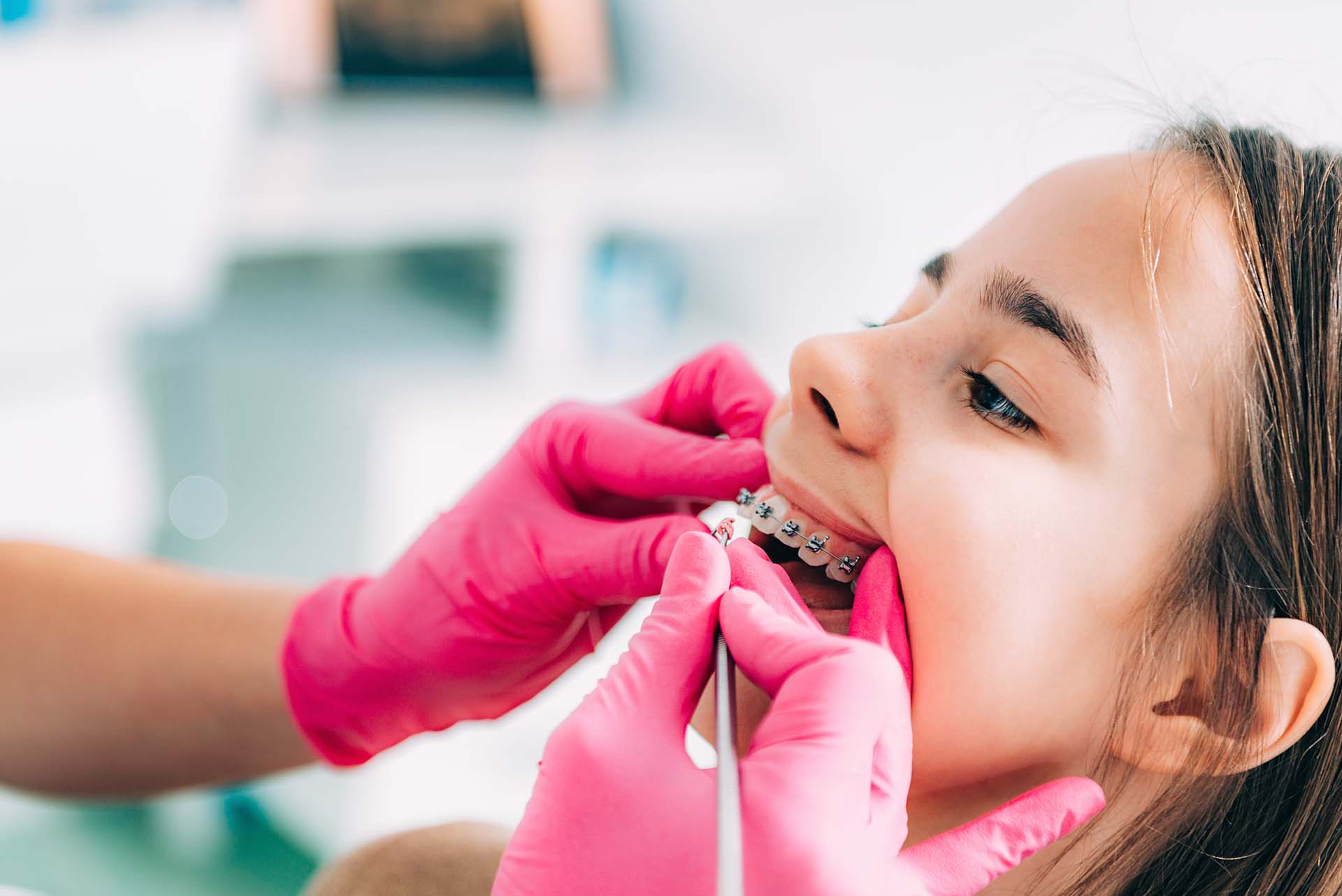
Orthodontic treatment works by applying gentle, constant pressure to the teeth and jaw over time. This pressure guides the movement of both teeth and supporting bones, helping the upper and lower jaws come into their proper position. In growing children, the bones are still developing, which allows braces to have a more significant impact on overall facial shape and balance.
When the upper jaw or lower jaw is misaligned, it can cause crooked teeth, overbites, underbites, or an unbalanced facial profile. By correcting these issues early, braces can improve facial symmetry – helping features like the chin, lips, and cheeks fall into more natural harmony.
The Crucial Role of Growth and Timing
Growth plays a crucial role in how orthodontics influences the shape of your child’s face. During childhood and adolescence, the jaw bones are still malleable. This means orthodontists can guide jaw alignment and jaw growth more predictably than in adults, where the bones have already fused. Younger patients tend to experience more noticeable facial changes during braces treatment due to more malleable bones.
That’s why an early orthodontic evaluation, typically around age 7, is so important. Detecting orthodontic issues early allows for early orthodontic intervention, which can reduce the need for invasive treatments later. Properly timed braces treatment can help align the upper teeth, lower teeth, and jaws before growth patterns become fixed.
How Braces Change Facial Shape and Features
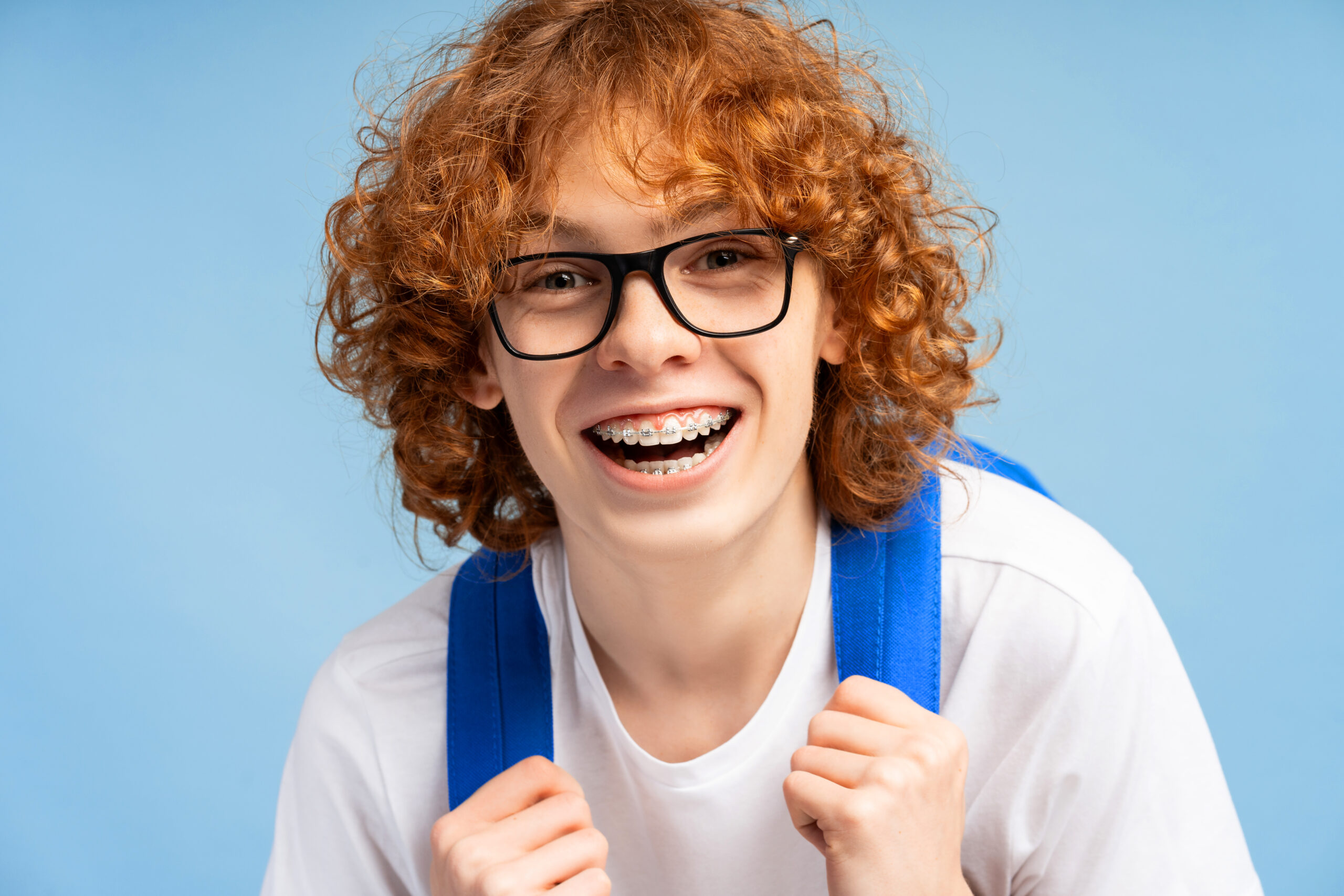
Many parents are surprised to learn that orthodontic treatment can subtly change your face shape. When the jaws are properly aligned, it enhances the natural facial features and promotes a more balanced facial profile. While braces do not change the shape or size of the nose, they can create the illusion of a different appearance based on facial angles.
Improved Jaw Alignment
Correcting an overbite or underbite helps the chin rest in a more natural position, often improving the side profile. For instance, an underbite can make the chin look bigger, but fixing it can move the chin back to a proper position.
Better Facial Symmetry
Proper alignment of the upper and lower jaws can make the face appear more proportionate.
Enhanced Facial Appearance
As teeth move into their ideal positions, the lips and soft tissues also adjust, creating a more youthful appearance and a smile that feels more aesthetically pleasing. Use of braces can lead to a temporary appearance of fuller lips due to the presence of brackets and wires.
Healthy Airway Support
In some cases, improving jaw development and mouth breathing patterns can even reduce risks for sleep apnea or other oral health problems later on.
Why Jaw Alignment Matters Beyond Aesthetics
Orthodontics isn’t only about looks – it’s about function and long-term oral health. Misaligned jaws can make it difficult to chew food properly or lead to uneven wear on the teeth. Over time, this can increase the risk of gum disease, TMJ discomfort, and even posture issues. Braces enhance functionality, contributing to better chewing, clearer speech, and easier breathing.
By aligning the jaws correctly, orthodontic treatment improves both comfort and function. It allows the periodontal ligament and surrounding bones to stay healthy under normal biting pressure, reducing the risk of future problems.

Early Orthodontic Intervention for a Lifetime of Confidence
For growing children, orthodontics offers a unique window of opportunity. Addressing jaw growth and tooth alignment during this period can influence the shape of the face and prevent complex problems in adulthood. An experienced team of orthodontists, like those at Lippitz Orthodontics, carefully designs each treatment plan to guide natural growth and enhance both function and appearance. As patients age, their bones become harder and less malleable, making facial changes more subtle with braces.
Early treatment can:
- Encourage proper jaw development
- Improve facial symmetry and facial appearance
- Prevent crowding and misaligned teeth
- Promote a healthier, more balanced facial profile
When the teeth, jaws, and soft tissues all work together, the result is a beautiful smile that complements your child’s natural facial shape – and a foundation for lifelong confidence.
What to Expect During Braces Treatment
Each child’s treatment plan is personalized based on age, growth stage, and unique orthodontic issues. During your consultation, your orthodontist will evaluate the upper jaw, lower jaw, and facial structure to determine the best treatment options. Adults can experience improved facial symmetry with braces, but changes are often less pronounced than in children.
Traditional braces or other orthodontic appliances may be recommended to guide jaw position and align teeth gradually. Throughout the process, your orthodontist will monitor jaw growth, tooth movement, and overall facial development to ensure balanced results.
A Beautiful, Healthy Smile That Shapes the Future
Parents often ask, “Do braces really change your face shape?” The answer is yes—especially for growing kids. Properly timed orthodontic care can lead to a more balanced facial profile, improved jaw alignment, and a naturally youthful appearance that lasts well into adulthood.
At Lippitz Orthodontics, our experienced team takes pride in crafting treatment plans that do more than straighten teeth. We help children grow into their best smiles—creating harmony between teeth, jaws, and facial features for results that look and feel completely natural.